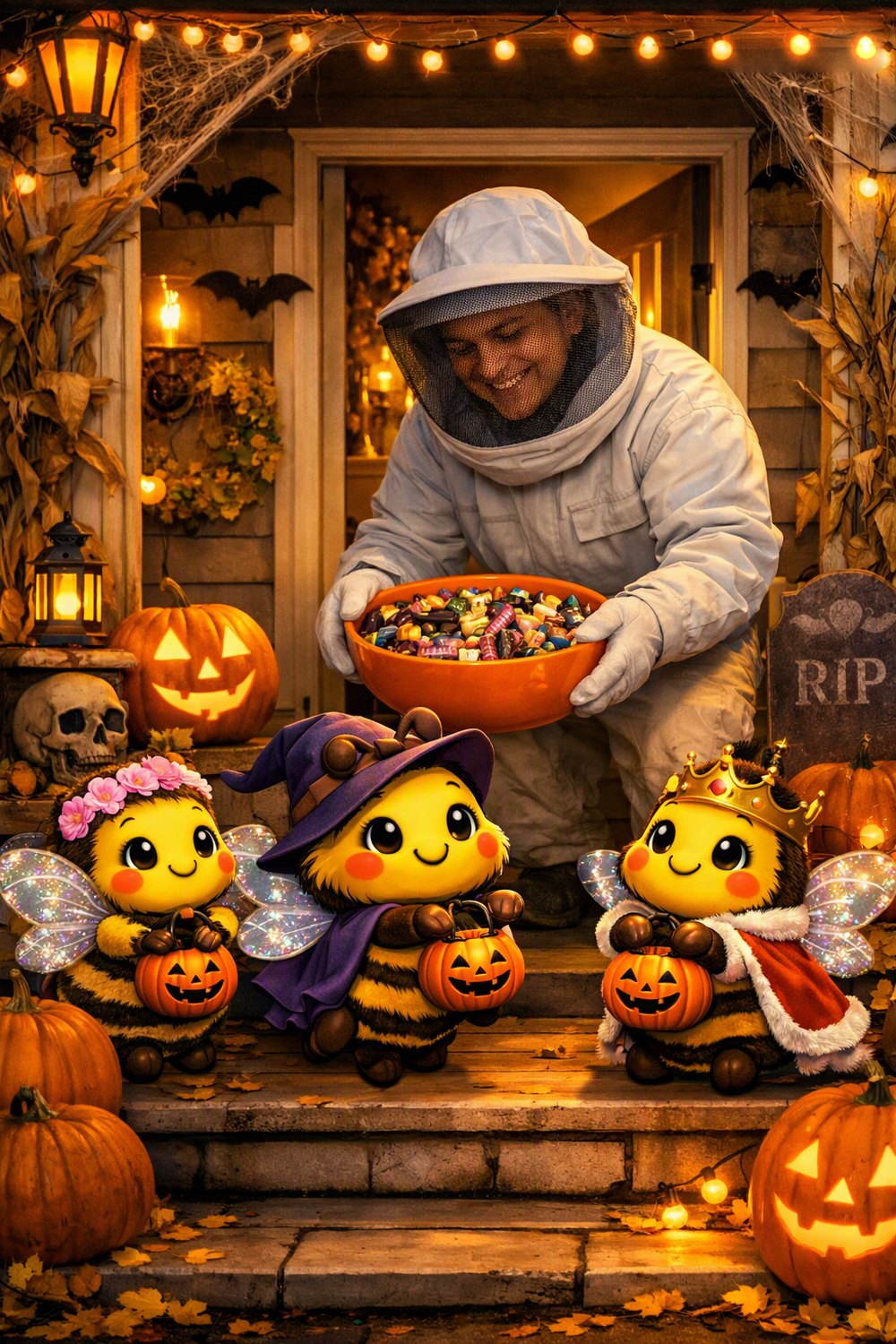
It's that time of year again: porches are glowing, costumes are ready, and bowls across the neighborhood are about to be filled with candy. So here's the question we'd love you to ask before you head to the store: Will you be handing out toxic tricks, or sweet and safe treats?
Many of the most popular, mainstream candies are loaded with ingredients most of us would never knowingly choose for our kids. The good news is that once you know what to look for, it's easy to find better options, and to make Halloween just as fun.
What's really inside many traditional candies
Flip over the wrapper on a lot of the candy in the aisle and you'll find a long list of ingredients. Here are some of the most common ones worth knowing about, and why they matter:
- Artificial dyes (such as Red 40, Yellow 5, Yellow 6 and Blue 1). These petroleum-based colors make candy bright, but a well-known U.K. study linked some artificial dyes to increased hyperactivity in some children. In the European Union, foods containing certain dyes must carry a warning label about possible effects on children's activity and attention.
- High fructose corn syrup, corn syrup and lots of added sugar. Highly refined sweeteners are linked to tooth decay, weight gain, blood sugar spikes and fatty liver disease. The American Heart Association recommends that children ages 2 to 18 have less than about 6 teaspoons (25 grams) of added sugar a day, an amount that a few pieces of candy can reach quickly.
- Refined vegetable and seed oils. Many candies and chocolate-flavored coatings are made with highly processed oils such as palm, soybean or canola oil, which many families choose to avoid.
- Titanium dioxide. A whitening and brightening ingredient found in some candies. It has been banned as a food additive in the European Union since 2022 over concerns it may damage DNA, though it is still permitted in the U.S.
- Artificial flavors and synthetic preservatives. Lab-made flavors and chemical preservatives help candy taste the same and last for months on a shelf, but they add to the mystery list of ingredients we're asked to trust.
- Ultra-processed ingredients overall. Diets high in ultra-processed foods are linked in research to poorer overall nutrition and a higher risk of obesity and other chronic health conditions.
None of this means a single piece of candy will harm anyone. It means these ingredients add up, especially for growing kids, which is why many parents are choosing cleaner options.
See for yourself: scan before you buy
You don't have to take anyone's word for it. A product scanner such as Trash Panda lets you scan the barcode on a candy wrapper and quickly see what's inside and which ingredients may be harmful, so you can see for yourself what's in each candy and what those ingredients may do to the body. Try scanning the candy in your cart, your pantry or last year's leftover bowl. You may be surprised! You'll find Trash Panda, along with EWG's Healthy Living, in our Sweet Pro's directory.
What Florida's arsenic testing found
Heavy metals are another concern. In January 2026, the Florida Department of Health, through its Healthy Florida First initiative, released test results for 46 candy products from 10 companies and reported arsenic above the state's health-based benchmarks in 28 of them. The state estimated how much of each candy a child could eat in a year before reaching its benchmark. Because arsenic builds up over time and across many foods, the concern isn't one piece on one day, but the total over the year.
Here are some of the top candies to avoid, where the amount in one standard package meets or exceeds the state's estimated yearly "safe" amount for a child:
| Candy (standard package) | Package size | Florida's yearly "safe" amount for a child* | One package is... |
|---|---|---|---|
| 3 Musketeers bar | 1.92 oz (about 54 g) | about 14 g | about 4 times |
| Jolly Rancher Hard Candy | 7 oz bag (about 198 g) | about 48 g | about 4 times |
| Snickers bar | 1.86 oz (about 53 g) | about 22 g | about 2.4 times |
| Swedish Fish theater box | 3.1 oz (about 88 g) | about 48 g | about 1.8 times |
| Twizzlers Strawberry Twists pack | 2.5 oz (about 71 g) | about 44 g | about 1.6 times |
| Sour Patch Kids bag | 2 oz (about 57 g) | about 45 g | about 1.3 times |
| Skittles Original bag | 2.17 oz (about 62 g) | about 50 g | about 1.2 times |
| Kit Kat bar | 1.5 oz (about 43 g) | about 41 g | the entire yearly amount |
*Based on Florida's published results (view the full list). We calculated each yearly amount from the state's listed number of pieces and piece weights, and compared it with the standard package weight listed by the manufacturer or retailers. Figures are approximate, and package sizes vary.
To be fair, the findings are disputed. The National Confectioners Association says Florida used a testing method meant for soil and water rather than food, that the state's benchmarks don't match federal standards, and that FDA data show much lower levels; the test also didn't separate organic from inorganic arsenic, and no recalls were issued. Whichever side you land on, we think it's one more good reason to make candy an occasional treat and to choose cleaner options when we can.
Sweet & safe treats to hand out instead
Here are brands we trust and share for their clean, simple approach to candy and snacks. You'll find all of them in our Sweet Picks:
- YumEarth. Organic, allergy-friendly candies like lollipops, gummy bears and chewy fruit candies made without artificial dyes.
- The Conscious Bar. Craft chocolate bars sweetened with dates and made with no added sugar.
- Lineage Provisions. Grass-fed protein snacks for a savory, satisfying treat.
- Star Walker Organic Farms. Pasture-raised meat snacks for a protein-packed alternative to sugary candy.
- Once Upon A Farm. Organic, fruit- and veggie-based snacks and soft-baked bars that kids love.
Trick-or-treat with something fun and educational
Who says every treat has to be candy? We created free, printable Halloween activities for our Educational Resources page, including a toxin maze, a word search and a crossword. Hand them out to trick-or-treaters, slip one into a classroom party bag, or print a stack for a school or neighborhood event. They're a fun way to start a conversation with kids about the hidden toxins around us and how to spot cleaner choices.
A few simple Halloween tips
- Scan before you buy: use Trash Panda to check ingredients on candy and snacks
- Read ingredient lists and look for short, simple ingredients and no artificial dyes
- Offer a mix of treats: cleaner candy and snacks, plus non-food options like our activity printouts
- Make candy an occasional treat rather than an everyday habit
- Talk with your child's school about what's offered at parties, concession stands and vending machines
- Remember that every purchase is a vote: choosing cleaner brands tells the market what we want
So, which will you be handing out this year?
This Halloween, we hope you'll choose sweet and safe over toxic tricks. Small choices, made together, can turn a bowl of candy into a conversation about healthier living. Wishing you and your family a happy, safe and sweeter Halloween!
Learn more
- Healthy Florida First: Candy arsenic results (Florida Department of Health)
- WUSF: Candy under the microscope: Florida testing reveals arsenic in sweet treats
- National Confectioners Association: response to the Florida report
This post is for general education only and is not medical advice. Arsenic figures reflect the Florida Department of Health's published findings and benchmarks, which are disputed by the candy industry. Some links may be affiliate links. Sweeter Things LLC may earn a commission if you purchase through these links, at no additional cost to you.